

Many people choose a quick fix to make their teeth look better, but they often wonder about the health of the tooth hidden underneath.
If you are visiting a dental clinic in Woodbridge, it is normal to ask if a tooth can still get a cavity once it is covered with a special resin. While bonding adds a beautiful layer, it does not make your tooth “germ-proof.”
Understanding how to keep the seal tight between the resin and your natural tooth is the best way to keep things healthy.
How Does Decay Start Under The Resin?
- Tiny Gaps: Over time, very small spaces can open up between your tooth and the bonding material.
- Hidden Germs: If the seal breaks, sugar and bacteria can crawl into those tiny spaces.
- Wet Surface: If the tooth was not perfectly dry when the material was put on, it might not stick forever.
- Chewing Force: Biting down on hard food can cause the edges of the resin to lift or crack.
- Dark Lines: Seeing dark stains around the edges often means that food and germs are getting underneath.
Why Keeping An Eye On Your Smile Matters?
Even if your teeth look great in the mirror, the real tooth underneath still needs a check-up at a dental clinic near you to stay strong. Because the bonding material is solid, you cannot see a cavity forming until it gets big or starts to hurt.
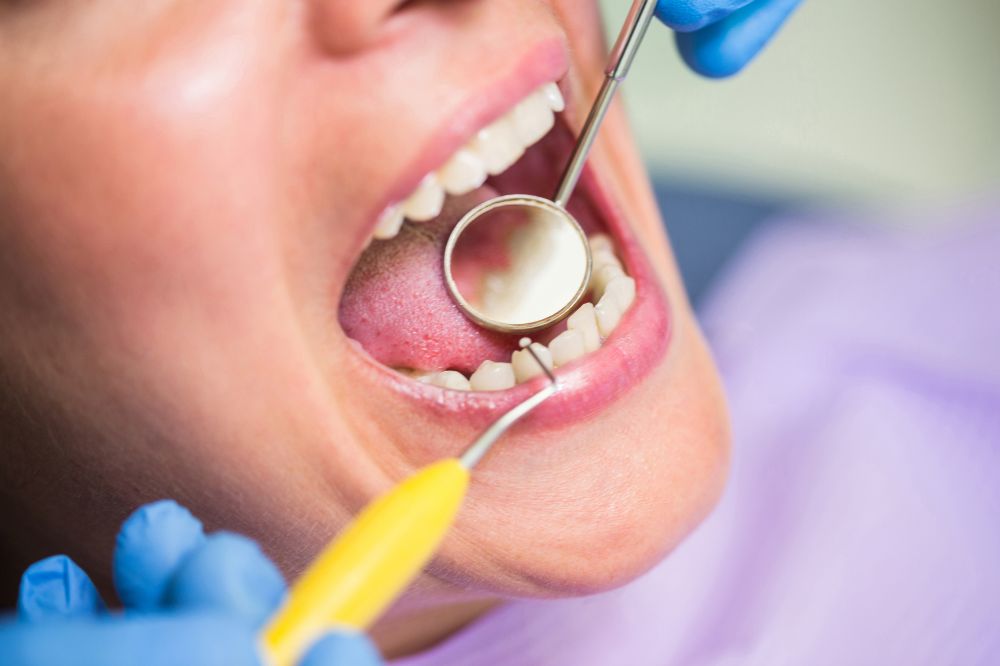
A specialist uses bright lights and tools to check the edges where the material meets your tooth. Finding a tiny leak early lets them fix it fast, which saves you from a much bigger and more painful problem later on.
Picking The Right Team For Your Dental Work
If you are looking for dental bonding near you, it is important to find a team that cares about both looks and health. The quality of the materials and the skill used when putting it on decide how long the seal will stay tight.
When it is done the right way, the resin acts like a shield. However, if the edges are rough, they can trap food and germs easily.
A restoration should feel smooth to your tongue and be very easy to clean with your brush.
Comparing Different Ways To Fix Teeth
This table shows how bonding compares to other choices when it comes to the risk of hidden rot.
| Type of Fix | How Tight is the Seal? | Risk of Hidden Cavities | How Long it Lasts |
| Dental Bonding | Medium | Higher if edges wear out | 5 to 7 Years |
| Porcelain Veneers | High | Lower (stiffer seal) | 10 to 15 Years |
| Dental Crowns | Very High | Very Low | 15+ Years |
| White Fillings | High | Medium (at the edges) | 7 to 10 Years |
Signs That Something Might Be Wrong
- New Sensitivity: Feeling a sharp zing from cold water often means the tooth underneath is exposed.
- Color Changes: If the tooth looks darker under the clear resin, it might be starting to rot.
- Jagged Edges: Using your tongue to find rough or “catchy” spots can help you find leaks.
- Persistent Bad Taste: A bad smell or taste that won’t go away can mean food is trapped under the resin.
It is a common mistake to think the material itself rots; however, can cavities form under bonding if the real tooth gets dirty? The answer is yes. Because the rot is hidden, it often moves faster than a normal cavity because you can’t see it to clean it.
How To Make Your Bonding Last Longer
- Don’t Bite Pens: Chewing on ice, pens, or fingernails can make tiny cracks in the resin.
- Watch the Coffee: Too much coffee or tea can stain the edges, making it hard to see if there is a leak.
- Use a Soft Brush: Scrubbing too hard can wear down the thin edges where the bonding meets your gums.
- Floss Every Day: Flossing removes the sticky film that likes to sit right at the edge of the restoration.
- No Smoking: Tobacco makes the bond weak and turns the pretty white material yellow very quickly.
Why Regular Professional Visits Are Key
To keep your smile safe, you should never skip your check-ups. During these visits, the specialist will polish the resin to keep it smooth, which makes it harder for germs to stick. They also look for any signs that the material is “lifting” away from the tooth.
If they find a small problem, they can often just add a little bit of new material to seal the gap without having to take the whole thing off and start over.
Keep Your Smile Healthy And Strong
At Vellore Woods Dentistry, we want to give you a beautiful smile that stays healthy for a long time. Our team knows how to balance making your teeth look great with making sure they stay strong underneath.
We use the best materials and a careful touch to make sure your dental work lasts.
Whether you need a small fix or a big change, we are here to help you feel confident. Reach out to us today to set up your visit!
Frequently Asked Questions
Can a cavity under bonding be fixed easily?
Usually, the old bonding has to be taken off so the specialist can reach the cavity. After the decay is cleaned out and the tooth is healthy again, they can put a fresh layer of resin back on to make it look new.
Does bonding stop future cavities?
It only protects the part of the tooth it covers. The back of the tooth and the spots near the gums are still natural enamel, so they can still get holes if you don’t brush and floss them well.
How long does bonding usually stay in good shape?
Most people find that their bonding looks and feels great for about five to seven years. After that, the edges might start to wear down or stain, which means it is time to have it checked or replaced.
Does it hurt to fix rot under bonding?
The process is just like getting a normal filling. The area is numbed so you don’t feel any pain while the old material and the rot are removed. Most people feel much better once the tooth is clean again.