

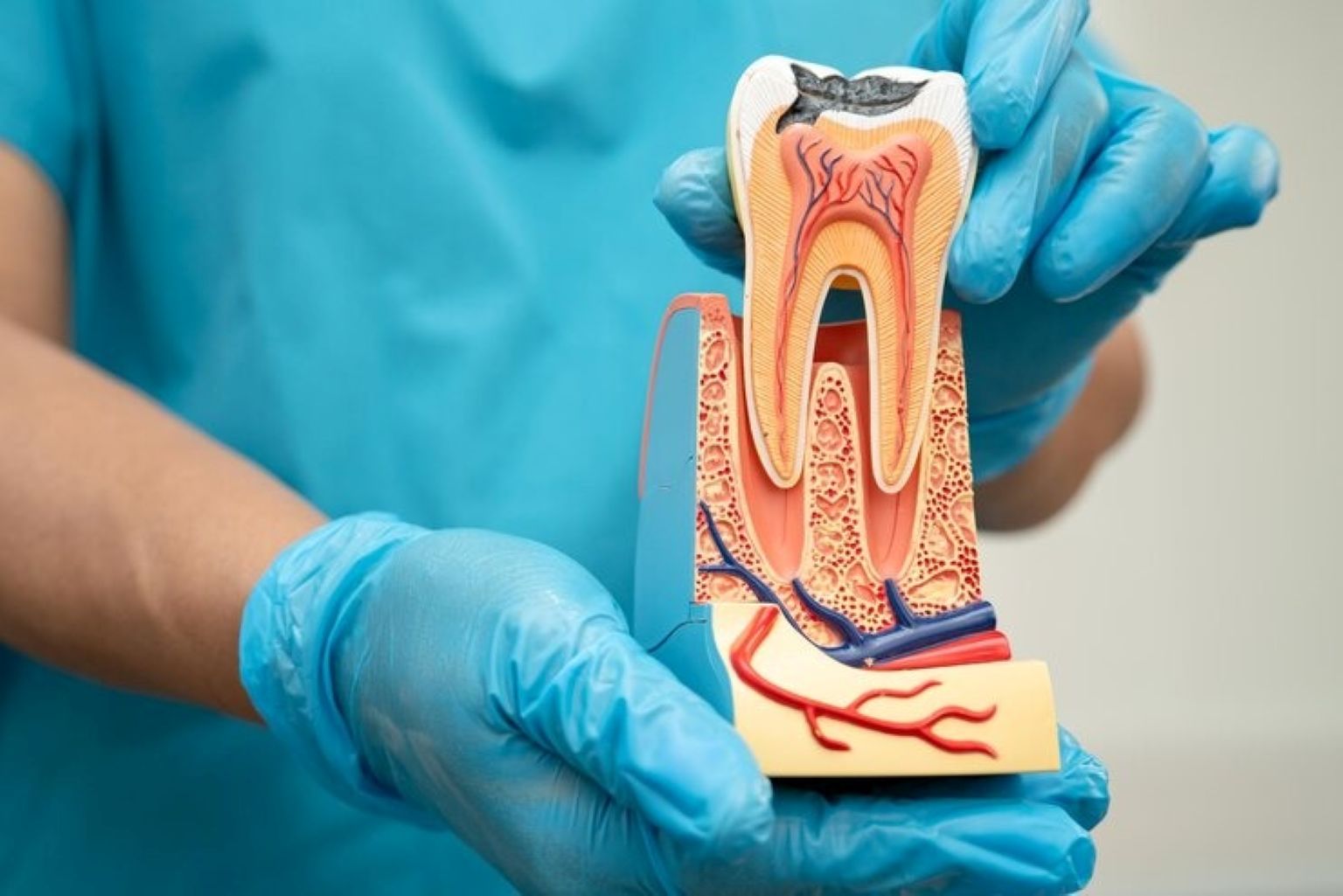
Recognising the specific warning signs of a dental infection is the first step toward saving your natural smile. When the internal pulp of a tooth becomes damaged, the body sends clear signals that professional intervention is necessary to prevent further complications.
If you are experiencing persistent discomfort, consulting a dentist in Vaughan is essential for an accurate diagnosis and a personalised care plan. Addressing these issues early provides relief from pain and prevents the infection from spreading to the bone.
For many patients, finding root canal treatment is a priority when traditional fillings are no longer enough to fix a deep-seated problem.
Modern endodontic procedures are highly effective and designed to be as comfortable as getting a routine filling. By paying close attention to these seven specific signals, you can take action before a minor ache turns into a major dental emergency.
7 Major Signs That Show You Need Root Canal Treatment Near You
1. Persistent And Radiating Pain
A deep, throbbing ache that persists throughout the day and often keeps you awake at night is a primary indicator of a problem. This discomfort typically intensifies when you apply pressure to the tooth while chewing or biting down.
The pain is caused by inflammation within the tooth’s nerve center and, unlike a temporary sensitivity, it does not go away on its own and might need you to receive a root canal treatment near you from a trusted dental team.
2. Lingering Sensitivity To Heat And Cold
While many people experience a quick flash of sensitivity when eating cold foods, a tooth in need of repair reacts differently.
A key sign is sensitivity to hot or cold that lingers for thirty seconds or longer after the stimulus is removed. This prolonged reaction is one of the classic symptoms of tooth infection requiring root canal therapy, as it suggests the internal nerves are significantly damaged.
3. Swollen Or Tender Gum Tissue
Infections inside the tooth often find a way to escape through the root tip, affecting the nearby soft tissues. You might notice that the gums surrounding a specific tooth appear red, swollen, or feel tender to the touch.
This inflammation is a sign that the body is attempting to fight off a bacterial presence that has moved beyond the tooth itself.
4. Presence Of A Dental Abscess
In some cases, a small, pimple-like bump, known as a dental abscess, may form on the gum line. This bump is a collection of pus from the infection and can lead to a foul taste in the mouth or persistent bad breath.
This is a clear signal that bacteria are actively damaging the supporting structures of your tooth and require immediate clinical attention.
5. Tooth Discolouration Or Darkening
A tooth that begins to look greyish, dark yellow, or black compared to its neighbours is often suffering from internal nerve death.
This occurs when the blood supply to the tooth is compromised, causing the internal tissue to become necrotic. Even if the tooth is not currently painful, this darkening suggests the internal chamber needs to be cleaned and sealed.
6. A Loose Or Shifting Tooth
When an infection is present, the acidic byproducts produced by bacteria can begin to soften the bone that holds your tooth in place.
This can result in a tooth that feels slightly loose or seems to have shifted its position. This instability suggests that an active infection is undermining the foundation of your smile.
7. Deep Decay Or A Cracked Tooth
If you have a large cavity or a visible crack that reaches the inner pulp, bacteria have a direct pathway to the nerves. Many patients wonder what happens if root canal treatment is delayed in these situations.
Postponing care allows the infection to spread into the jawbone, which can lead to systemic health issues and eventually result in the loss of the tooth entirely.
Post-Treatment Care Guide
To ensure your tooth heals correctly and stays strong after your procedure, follow these care guidelines:
Best Foods to Eat
- Soft Proteins: Scrambled eggs, silken tofu, or flaky white fish.
- Healthy Fats: Mashed avocado, lukewarm soups, and Greek yoghurt.
- Grains/Starches: Mashed potatoes, oatmeal, and soft pasta.
Immediate Care Tips
- Avoid Chewing: Do not bite down on the treated tooth until your permanent crown is placed to prevent fractures.
- Gentle Hygiene: Brush and floss very gently around the area, but do not skip cleaning it.
- Manage Swelling: Use a cold compress on the outside of your cheek for the first few hours if you feel minor inflammation.
Protecting Your Smile’s Foundation
Ignoring the warning signs of a tooth infection only leads to more complex issues down the road.
By recognising symptoms like persistent pain or gum swelling early, you give yourself the best chance of saving your natural tooth. A proactive approach to dental care ensures that you can continue to eat and smile with total confidence.
At Vellore Woods Dentistry, we are dedicated to providing gentle and precise restorative care to keep your smile healthy and bright. Our team uses the latest technology to diagnose issues accurately and ensure your experience is as stress-free as possible.
We believe in providing personalised solutions that prioritise your comfort and well-being. If you are experiencing any dental discomfort, contact our office today to schedule your consultation.
FAQs
Is a root canal procedure painful?
No, modern anaesthesia ensures that the process is as comfortable as getting a standard filling. Most patients feel immediate relief from their prior toothache once the infection is removed.
How long does the treatment typically take?
Most procedures are completed in one or two visits, usually lasting between 60 and 90 minutes. The time depends on the complexity of the tooth’s root structure.
Do I really need a crown after the procedure?
In most cases, a crown is necessary because a tooth becomes more brittle once the pulp is removed. The crown provides the strength needed to chew effectively.
Can a tooth that had a root canal get a cavity?
Yes, while the inside is sealed, the outer enamel can still decay. Regular brushing, flossing, and professional checkups are essential to protect your restored tooth.