

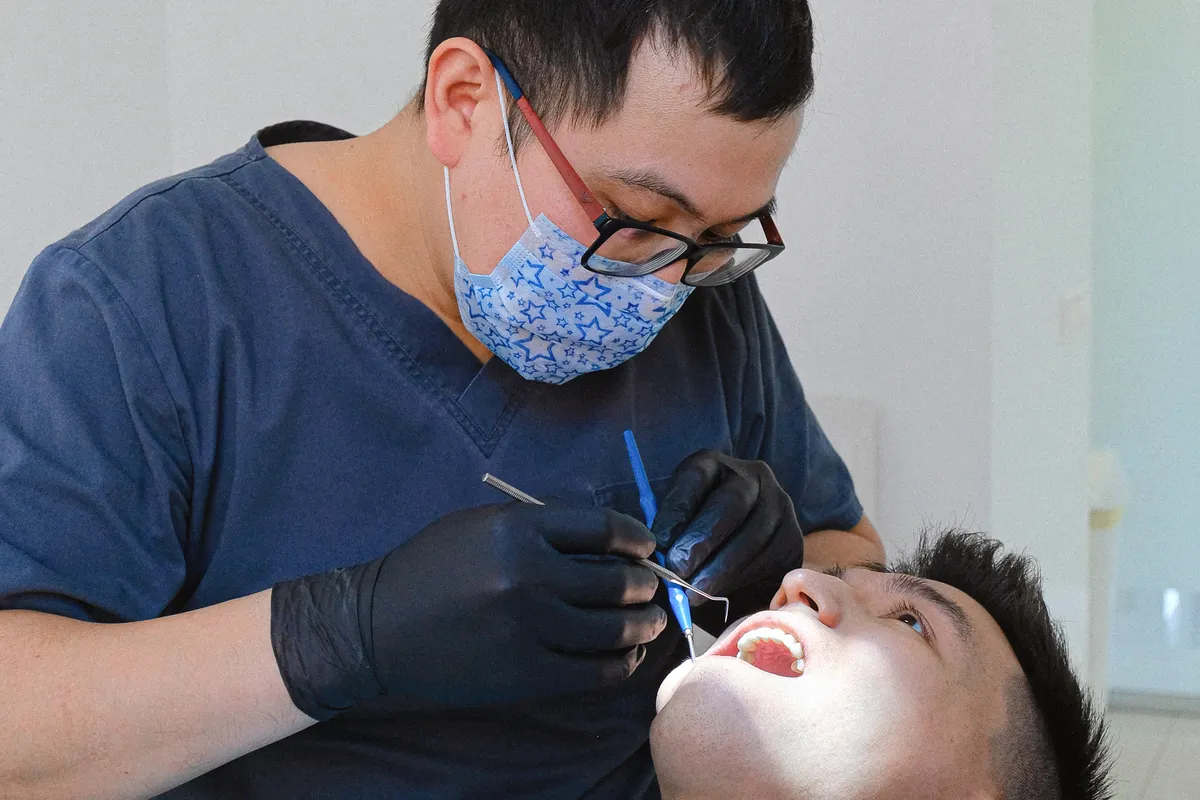
Dental anxiety prevents millions of people from receiving essential, quality oral healthcare. Fortunately, dental sedation allows patients to relax during complex or routine dental procedures. However, safety is always the top priority when administering any sedative medication. In Ontario, strict provincial standards govern how sedation is safely delivered to the public. Understanding what a dental sedation permit in Ontario means helps you make informed, confident choices about your overall oral care.
You can feel secure knowing your dentist and clinic follow stringent safety regulations when you choose a licensed practice for sedation dentistry in Woodbridge. Valid permits show that your dental staff has received advanced training and follows strict guidelines for emergency planning and real-time patient monitoring.
Licensing and Regulations for Ontario Dental Practices
The Royal College of Dental Surgeons of Ontario (RCDSO) regulates all dentists in the province. Both the clinic and the practitioner must follow strict guidelines when administering sedation. Some sedation techniques require dentists to be individually authorized by the RCDSO, a process that involves considerable clinical training, emergency management certification, and continuing education.
Knowing that dental clinics offering oral moderate sedation, IV sedation, deep sedation, or general anaesthesia must also have a current RCDSO sedation permit helps when searching for sedation dentistry services. This permit ensures the clinic has oxygen delivery systems, emergency drug kits, advanced patient monitoring technology, and backup power supplies.
Understanding Sedation Levels: Oral vs. IV Sedation in Ontario
Ontario regulations classify dental sedation into distinct levels based on the depth of relaxation:
- Minimal Sedation: Keeps you relaxed while remaining fully conscious. This includes nitrous oxide (“laughing gas”) or a single low-dose oral pill.
- Oral Moderate Sedation: Reduces consciousness more deeply. You remain awake and responsive to gentle prompts, yet feel deeply relaxed.
- IV sedation is administered through a vein. A qualified provider can adjust it during treatment. Whether IV sedation is appropriate depends on your health, the procedure and the dental team’s assessment.
Comparing oral vs IV sedation in Ontario highlights key differences in delivery and setup:
| Feature | Oral Moderate Sedation | Intravenous (IV) Sedation |
|---|---|---|
| Administration | Prescribed pill swallowed before care | Direct medication delivered through an IV line |
| Onset Time | Varies with the medication and the patient | Typically faster than medication taken by mouth |
| Depth Control | Fixed dose based on preoperative planning | Adjustable continuously throughout treatment |
| Permit Requirements | Dentist authorization + RCDSO facility permit | Specialized authorization + RCDSO facility permit. |
If you are searching for a safe, reliable dentist, verifying that your provider maintains current credentials on the public RCDSO register provides peace of mind.
Choosing a dentist near you who prioritizes compliance ensures every safeguard is in place.
Rigorous Mandatory Facility Inspections
At its heart, the official sedation facility inspection is all about giving you complete peace of mind. Before a clinic opens its doors for sedation care, it undergoes a thorough evaluation, and to maintain high standards, inspectors return every 3 years to verify that all safety equipment and protocols remain up to par.
Authorized inspectors look at the following during an inspection:
- Emergency Preparedness: Verification of unexpired resuscitation drugs, automated external defibrillators (AEDs), and airway management tools.
- Monitoring Equipment: Ensuring heart rate monitors, blood pressure monitors, and real-time pulse oximeters function correctly.
- Team Training: Verifying that all clinical personnel are currently certified in emergency response and CPR.
- Record-Keeping: Auditing health histories, pre-sedation assessments, and vital sign logs.
If you need a licensed sedation dentist in Woodbridge, verifying the facility’s compliance history helps ensure high safety standards.
Experience Safe, Comfortable Care Today
At Vellore Woods Dentistry, we listen to your concerns about dental anxiety. Contact us to discuss your options, what is available at the clinic and whether a referral may be appropriate.
Frequently Asked Questions
How can I check if a dentist has an RCDSO sedation permit?
Checking if your dentist is qualified is quick and easy on the official RCDSO public register at rcdso.org. Their online database lets you confirm whether the clinic holds a valid facility permit and shows the exact sedation levels your dentist is certified to offer.
Is dental sedation safe for patients with high anxiety?
Sedation may help some patients with anxiety. Your dental team should review your medical history, discuss the benefits and risks, and explain how they will monitor you.
Will I need someone to drive me home after sedation?
Ask your dental team before your visit. If you receive moderate or deeper sedation, arrange for a responsible adult to take you home and follow the clinic’s aftercare instructions. Drive only if the treating team explicitly clears you.
How often are dental sedation facilities inspected in Ontario?
In addition to initial licensing inspections, all permitted sedation facilities in Ontario undergo mandatory inspections every 3 years (36 months) to ensure that all emergency equipment, drugs, and safety protocols remain fully compliant.